
MYTHS AND MORALS: DISCOVERING THE EDUCATIONAL RICHNESS OF DHASHAMI AND DUSSEHRA
October 13, 2024 2024-10-13 16:00MYTHS AND MORALS: DISCOVERING THE EDUCATIONAL RICHNESS OF DHASHAMI AND DUSSEHRA
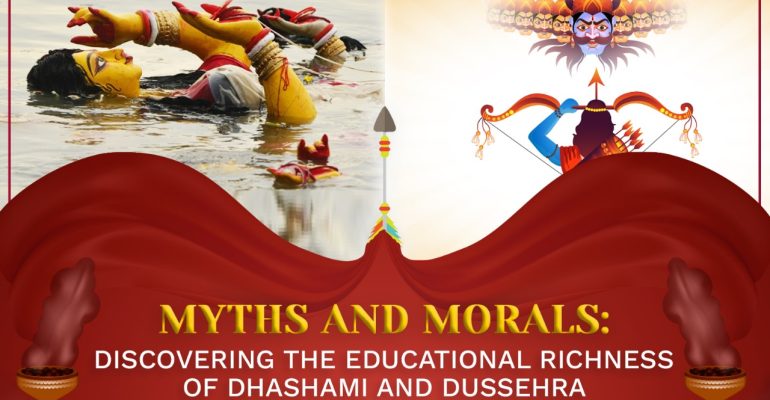
Dhashami and Dussehra are two significant festivals celebrated across India, symbolizing the victory of good over evil. Rooted in rich cultural traditions and ancient stories, these festivals hold immense educational value, especially for students. Understanding these celebrations goes beyond mere festivities; they provide valuable lessons in morality, ethics, perseverance, and cultural appreciation. This blog explores the educational significance of Dhashami and Dussehra and how they can enrich students' lives.
The Stories Behind Dhashami and Dussehra
At the heart of Dhashami is the tale of Goddess Durga, who symbolizes strength and righteousness. The festival marks her triumph over the buffalo demon Mahishasura, embodying the victory of good against malevolence. In contrast, Dussehra commemorates Lord Rama's victory over the demon king Ravana, as narrated in the epic Ramayana. Both stories emphasize the importance of virtue, courage, and integrity in the face of adversity.
For students, these narratives offer a powerful framework for discussing moral dilemmas and the nature of good and evil. Understanding these stories encourages critical thinking and invites students to reflect on their values and beliefs.
Moral Lessons and Character Development
One of the most profound educational values of Dhashami and Dussehra is the moral lessons they impart. These festivals remind students that righteousness and virtue ultimately prevail. By exploring the themes of bravery, sacrifice, and resilience embodied by the characters of Durga and Rama, students can learn the importance of standing up for what is right, even in challenging situations.
Moreover, these stories emphasize the significance of discipline and hard work. Goddess Durga's preparation for battle and Lord Rama's dedication to his mission illustrate that success is often the result of relentless effort and commitment. Students can apply these lessons to their studies and personal goals, instilling a sense of perseverance that will serve them well in all aspects of life.
Cultural Awareness and Inclusivity
Dhashami and Dussehra are celebrated in diverse ways across various regions of India. This rich tapestry of traditions allows students to explore cultural diversity and learn about the unique practices associated with each celebration. For instance, while the burning of effigies of Ravana is a common practice in northern India, in West Bengal, the immersion of Durga idols is a highlight of the festivities.
At educational institutions like SFS Guwahati, students are encouraged to engage in discussions about these cultural practices, fostering an understanding of inclusivity and respect for different traditions. Such exposure not only broadens their horizons but also cultivates empathy and appreciation for the cultural nuances that define our society.
Community and Teamwork
Both Dhashami and Dussehra are celebrated with communal activities, from organizing events and performances to participating in rituals. These festivals provide opportunities for students to work collaboratively, developing essential skills such as teamwork, communication, and leadership. By participating in group projects related to the festivals, students learn to appreciate different perspectives and work towards a common goal.
For instance, organizing a Dussehra play or a Dhashami cultural program involves various roles, from acting and directing to set design and music. Such collaborative efforts not only enhance students' creativity but also strengthen their bonds with peers, fostering a sense of belonging and community.
Critical Thinking and Discussion
The moral complexities of the stories associated with Dhashami and Dussehra open avenues for critical discussions in the classroom. Educators can facilitate conversations around themes such as justice, morality, and the consequences of one's actions. By engaging students in debates and reflective writing exercises, they can deepen their understanding of these concepts and develop their analytical skills.
For example, discussing the motivations of Ravana or the challenges faced by Durga encourages students to think critically about the nature of heroism and villainy. Such discussions can lead to a more nuanced understanding of human behavior and ethics, equipping students with the tools to navigate real-world challenges.
Celebrating at SFS Guwahati
At SFS GUWAHATI, the educational value of Dhashami and Dussehra is embraced through a variety of activities and programs. Students participate in cultural performances, storytelling sessions, and art projects that connect them to the stories and traditions of these festivals. By immersing themselves in the celebrations, students gain a deeper appreciation for their heritage and the lessons these festivals impart.
Dhashami and Dussehra are not just festivals of celebration; they are rich educational experiences that offer valuable lessons in morality, cultural awareness, teamwork, and critical thinking. By exploring the stories behind these festivals, students can cultivate a strong sense of character and understanding of the world around them.
https://youtu.be/TctRanWmMLM