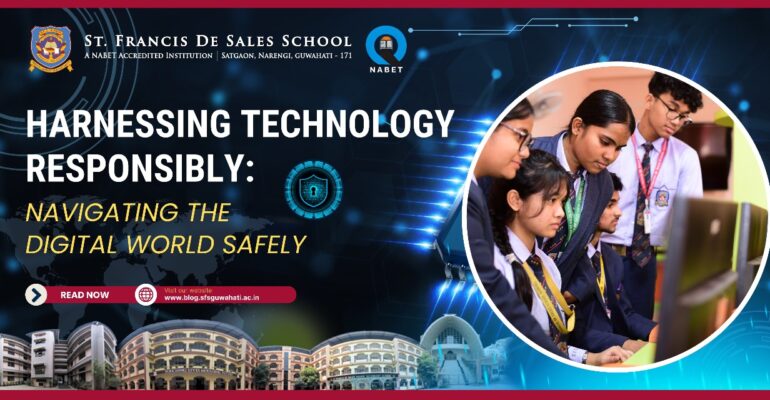
Right now, we live in a rapid technological age, where technology is no longer a passion but is a necessity in our everyday lives. Education, communication, entertainment, collaboration, and innovation are at our fingertips because technology provides opportunities. Technology, while giving us the ability and opportunities, also comes with its responsibilities. Students, parents, and educators must continue to learn how to use technology responsibly so that they can navigate the digital world safely.
The Duality of Technology
Digital tools have changed students' learning experiences by giving students a chance to access information, work collaboratively in real-time, and use virtual classrooms to engage in interactive learning experiences. Classrooms have become hybrid learning environments, and the traditional textbook is now supplemented with a smartboard, tablet, and online resource. Digital tools can enhance learning and create engagement. However, digital tools can distract, misinform, and even put students in danger if they utilize the tools incorrectly.
Becoming aware of issues such as screen time addiction, cyberbullying, breaches in privacy, and inappropriate content is becoming a greater concern. Digital awareness and healthy digital habits must be a priority for schools and families.
Developing Digital Literacy
An essential part of using technology safely is developing digital literacy. Digital literacy is more than knowing how to utilize a smartphone or computer, (although that constitutes part of it); it means knowing how to assess online content, how to protect your digital identity, and how to behave professionally in digital spaces.
Schools are essential in developing digital citizenship and can include:
• Safety precautions for online interactions
• Determining reliable sources
• Use of social media responsibly
• Digital footprints
Candidates should challenge students to consider critical questions, "Is this source credible?" or "Should I post/share this?". While the latter question may penalize students, the skill to research credible sources and realize peer interaction online is largely undeveloped in students and will support and develop responsible online behaviour.
Parental Responsibility in the Digital World
Adults represent the first barrier to excessive screen time and unsafe technology use at home. Adults are expected to set boundaries on screen usage, utilize parental controls and open dialogues regarding what they do online. It is important to demonstrate safe technology use and safe online practices as children are always watching. Adults need to model appropriate digital use.
Encouraging activities together as a family, such as watching documentaries, educational games and researching together promotes learning and trust.
Creating a Safe Digital Experience in Schools
Education needs to provide a structured digital experience environment that has firewalls, monitoring software and age-appropriate filters. More importantly, education must provide active learning to support students in learning about cyber ethics, cyberbullying behaviours, and students’ rights and responsibilities.
Engaging students in events like workshops, technology-awareness weeks, and working with digital safety experts to raise awareness of safe technology use as an engaging way of promoting digital safety.
Tips for Students: Finding your way in the digital world
Be careful and think before you click or share. Make sure to always have strong passwords and unique passwords while being careful not to expose personal details when posting or sharing.
If you see anything suspicious or suspect harm - report it.
Limit tech time and get breaks to unplug and recharge.
Be respectful to others.
Empowerment to be in the Know
Using technology responsibly does not mean avoiding technology; it means using it more purposefully, with awareness, and ethically. Technology is not going away, and helping students to think clearly about themselves as informed, respectful, and cautious digital citizens is helping students to harness all that is possible with technology (and do it smartly and safely).
We can all do our part - schools, parents and students - to build the landscape of safe digital exploration and allow the next generation to grow up empowered, not endangered, by technology.